
The Art of Demos Captivating Audiences with Engaging Presentations
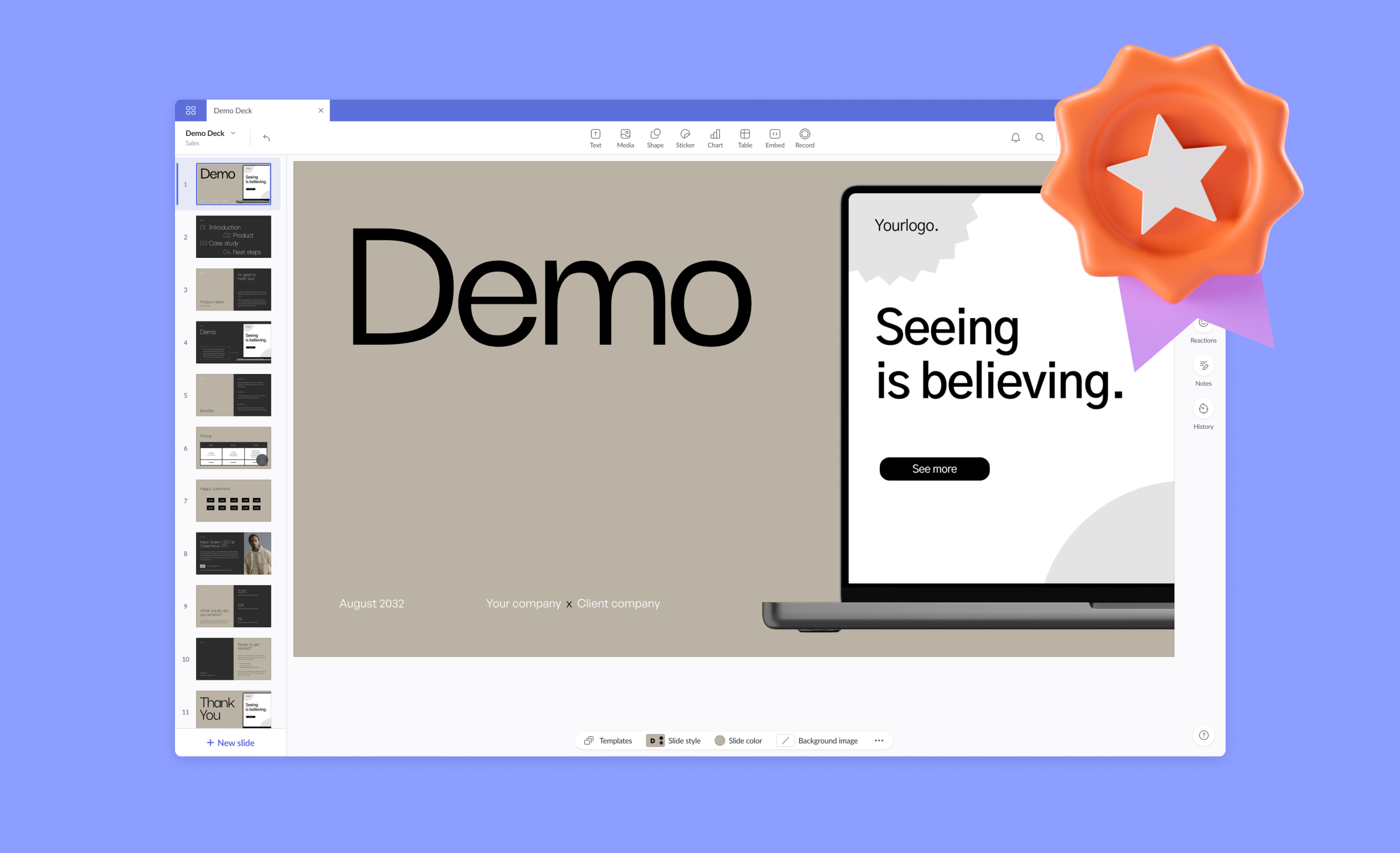
The Art of Demos: Captivating Audiences with Engaging Presentations
In an age where digital communication and creativity amalgamate, the essence of a compelling presentation lies in its demonstration. A well-structured demo can effectively convey ideas, showcase products, or educate an audience. Whether you’re pitching a new app, teaching a concept, or unveiling a product, the importance of an engaging demonstration cannot be overstated. One striking example of captivating demo techniques can be seen in the allure of demo Chicken Road, where storytelling and visual representation intertwine, creating lasting impressions.
Understanding Demos: What They Are and Why They Matter
Demos, short for demonstrations, serve as powerful tools to illustrate concepts, showcase functionalities, or present new ideas. They are prevalent across various sectors, from technology and sales to education and beyond. The goal of a demo is to engage the audience, making them understand the value proposition in a clear and concise manner. A good demo can clarify complexity, highlight benefits, and persuade an audience to take action, be it making a purchase, adopting a new tool, or changing an opinion.
Crafting Your Presentation: Key Elements to Consider
Creating a successful demo requires meticulous planning and an understanding of your audience’s needs. Here are some key elements to consider:
1. Know Your Audience
Tailoring your demo to the audience’s background, interests, and expectations is paramount. Understand their level of expertise and the aspects they value most. Engaging with your audience at their level fosters a connection and enhances information retention.
2. Set Clear Objectives
What do you want to achieve with your demo? Whether it’s showcasing a new product feature or explaining a complex topic, having a clear objective will guide your presentation structure and content.
3. Structure Your Content Effectively
The structure of your demo should facilitate a logical flow of information. Begin with an engaging introduction that sets the stage, proceed with the core content, and conclude with a strong closing that reinforces your key message. Use various storytelling techniques to keep the audience engaged throughout.
4. Use Visual Aids
Visuals are critical in enhancing audience understanding and retention. Use slides, videos, infographics, or live demonstrations to visualize your points. Ensure visuals are clear, relevant, and not overly cluttered, as distractions can detract from your message.
5. Practice, Practice, Practice
Rehearsing your demo is essential for mastering delivery. Familiarity with your content allows for a confident presentation and helps anticipate audience questions. Practicing in front of peers can provide valuable feedback and build your confidence.
The Role of Technology in Modern Demos
In today’s technology-driven world, demos have evolved to embrace digital platforms. Online webinars, interactive simulations, and virtual products tours are now commonplace, enabling broader reach and engagement. Utilizing tools such as video conferencing software can enhance collaboration and engagement, allowing for real-time interaction and feedback.
Common Mistakes to Avoid
Even seasoned presenters can fall into pitfalls that can undermine their effectiveness. Here are some common mistakes to avoid:

1. Overloading Information
One of the most significant errors is trying to cram too much information into a limited time. Break down your content into digestible parts, focusing on key points that illustrate your main message.
2. Ignoring Time Management
Time is essential in any presentation. Striking a balance between thoroughness and brevity is crucial to maintaining audience interest. Practice to ensure your demo fits within the allocated time while covering all critical points.
3. Failing to Enga

ge
Audiences appreciate interaction. Avoid a monotonous monologue by incorporating questions, discussions, or even demonstrations that involve the audience. Engagement fosters interest and retention.
4. Neglecting Technical Setup
Technical glitches can derail even the best demos. Ensure you familiarize yourself with the equipment and software you will use. Conduct a technical rehearsal to troubleshoot any potential issues before the actual presentation.
Conclusion: The Power of the Demo
In conclusion, the art of demo creation stands as a pivotal skill in effectively communicating ideas and driving engagement. A well-executed demonstration not only informs but also captivates, leaving audiences with a powerful message. By being mindful of your audience, structuring your content thoughtfully, leveraging technology, and avoiding common pitfalls, you can elevate your demo skills to new heights. Whether you’re unveiling a product, teaching a concept, or narrating a story, the art of demonstration can make all the difference in achieving your objectives and leaving a memorable impact on your audience.
